Billionaire investor Ray Dalio is raising concerns about California’s proposed wealth tax, arguing that it may do more harm than good as the state tries to address inequality. Speaking in a recent CNBC interview, the Bridgewater Associates founder described the measure as a potential “bubble popper,” warning it could create unintended economic consequences rather than solving deeper structural issues.
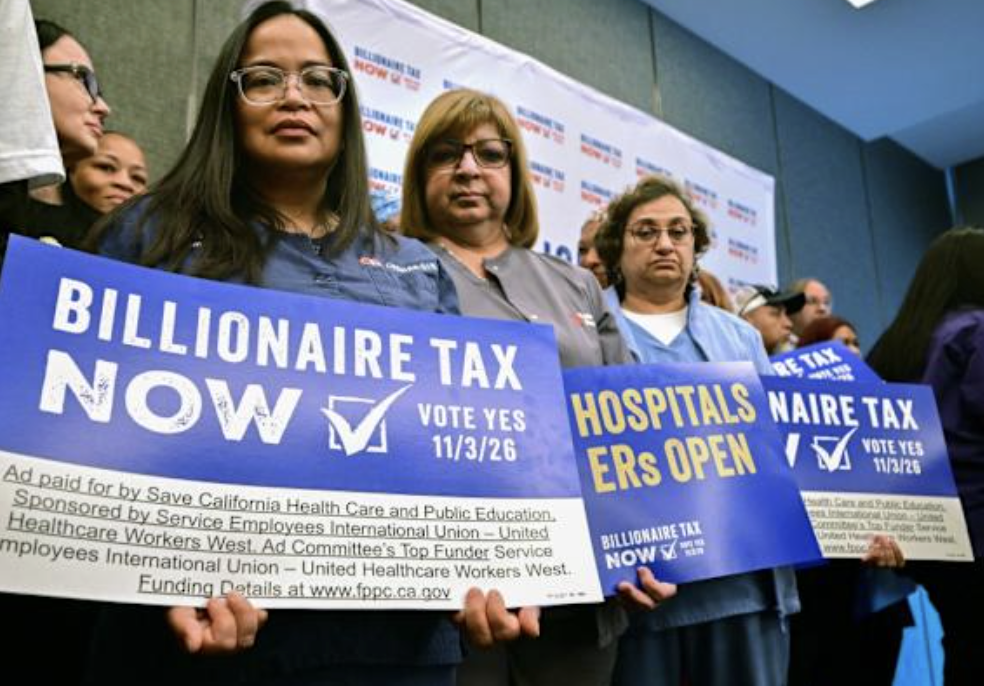
The proposal, which has gathered enough signatures to appear on California’s November ballot, would impose a one-time 5% tax on the total wealth of billionaires in the state. Supporters say the measure could generate significant revenue for public services, including healthcare, but critics worry it could drive wealthy individuals and businesses elsewhere.
Dalio’s argument centers on the distinction between wealth and cash. Much of a billionaire’s net worth is tied up in assets like stocks, real estate, or private investments. To pay a tax based on that wealth, individuals would likely need to sell portions of those holdings. That, in turn, could trigger broader market effects, especially if large amounts of assets are sold in a short period.
He also pointed to the possibility of behavioral changes. If high-net-worth individuals expect higher taxes, they may relocate to states with lower tax burdens. Dalio suggested that this kind of movement could intensify over time, potentially shrinking the tax base California depends on.
He’s not the only one raising concerns. Google co-founder Sergey Brin has also spoken out against the proposal, drawing on his personal experience growing up in the Soviet Union. In a rare public statement, Brin warned against policies he sees as overly punitive, suggesting they could lead to economic stagnation or reduced opportunity.
Opponents of the tax have backed their arguments with economic projections. A report commissioned by the group Stop the Squeeze estimated that the policy could result in the loss of more than 100,000 jobs and tens of billions of dollars in wages.
Another analysis suggested that a number of ultra-wealthy residents might leave California if the measure passes, potentially taking a significant share of their wealth with them.
There are also concerns about how the policy could evolve over time. Some business groups argue that, while the current proposal targets billionaires, it includes provisions that could allow lawmakers to amend its scope in the future. That possibility has raised questions about whether similar taxes could eventually affect a broader group of taxpayers.
Supporters of the measure push back on that claim. They argue the language of the proposal is clear: it is designed as a one-time tax specifically aimed at billionaires, and any changes would have to remain consistent with that purpose.
Public opinion appears mixed. Polling from UC Berkeley and Politico suggests many voters are wary of potential side effects, including businesses leaving the state or long-term impacts on tax revenue.