The Alabama-based nonprofit, long known for tracking and calling out hate groups, is now facing serious legal trouble of its own. On Tuesday, the Department of Justice announced that a federal grand jury had returned an 11-count indictment against the organization. The charges include wire fraud, making false statements to a federally insured bank, and conspiracy tied to money laundering.
According to acting Attorney General Todd Blanche, the allegations cut directly against the group’s public mission. In a post on X, he claimed the SPLC spent years channeling money to organizations it was supposed to oppose, including groups as extreme as the Ku Klux Klan. He went further, accusing the nonprofit of effectively creating or sustaining the very threats it claims to fight.
“Instead of dismantling extremism, (the SPLC) was funding it,” Blanche wrote, adding that the case is only getting started.
Every individual associated with SPLC should have to answer for what they knew about the organization’s extremist ties, and when.
That includes Nancy Abudu, SPLC’s former litigation director who Biden appointed as a lifetime judge on the 11th Circuit. https://t.co/by0NA9Oz5i
— Senate Judiciary Republicans (@SenJudiciaryGOP) April 22, 2026
That warning seems to have held up. By Thursday, the House Judiciary Committee had entered the picture, sending a letter to SPLC President Bryan Fair to request documents and outline its own concerns. The committee alleges that donors were never told their contributions could end up in the hands of individuals connected to violent hate groups.
The letter also describes how, according to the indictment, the organization allegedly used a network of shell entities to move money around. These entities, lawmakers say, existed mostly on paper. They weren’t properly incorporated, had no real employees, and didn’t conduct legitimate business. Their purpose, the committee claims, was to obscure where the money was coming from and where it was going.
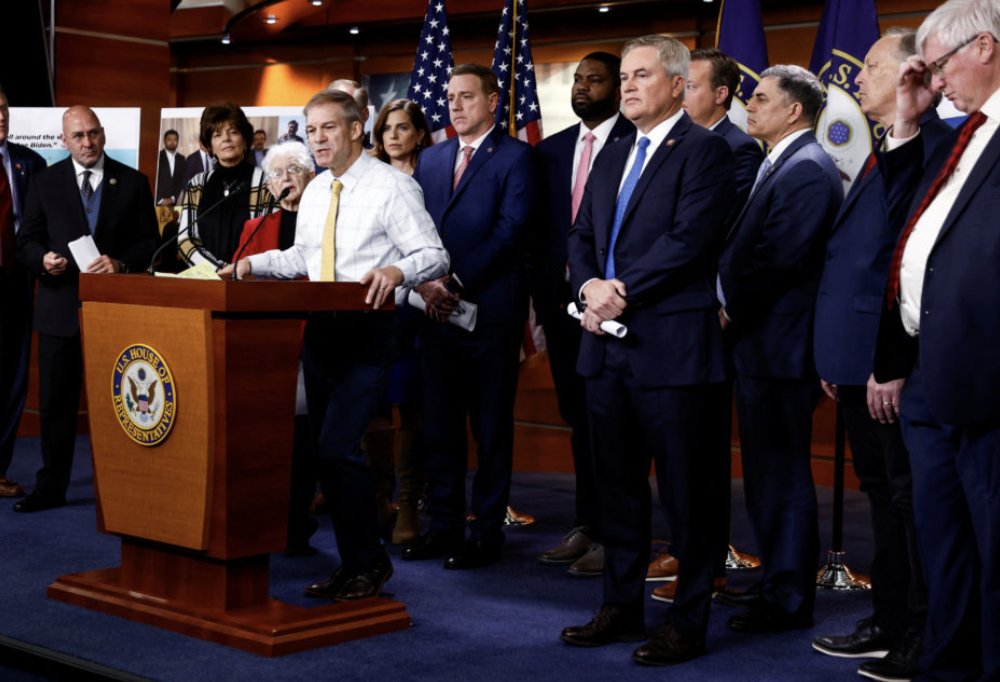
House Judiciary Chair Jim Jordan is leading the inquiry and is pushing for extensive records, including financial documents and internal communications. He’s also asking for any correspondence between the SPLC and officials in the Biden administration, pointing to what he describes as a pattern of coordination on civil rights issues.
Today, a grand jury in Alabama returned an 11-count indictment charging the Southern Poverty Law Center with wire fraud, false statements to a federally insured bank, and conspiracy to commit concealment money laundering.
@splcenter stands accused of manufacturing and creating…— Acting AG Todd Blanche (@DAGToddBlanche) April 21, 2026
That connection is already drawing additional scrutiny. Republicans on the Senate Judiciary Committee have signaled they want answers from individuals linked to the organization, including Nancy Abudu, a former SPLC litigation director who now serves as a federal judge on the 11th Circuit following her appointment by President Joe Biden.
At this stage, these are still allegations, and the case will ultimately play out in court. But the scope of the investigation has widened quickly. What began as a criminal indictment is now pulling in congressional oversight and raising broader questions about the organization’s practices, its partnerships, and how it has operated behind the scenes.