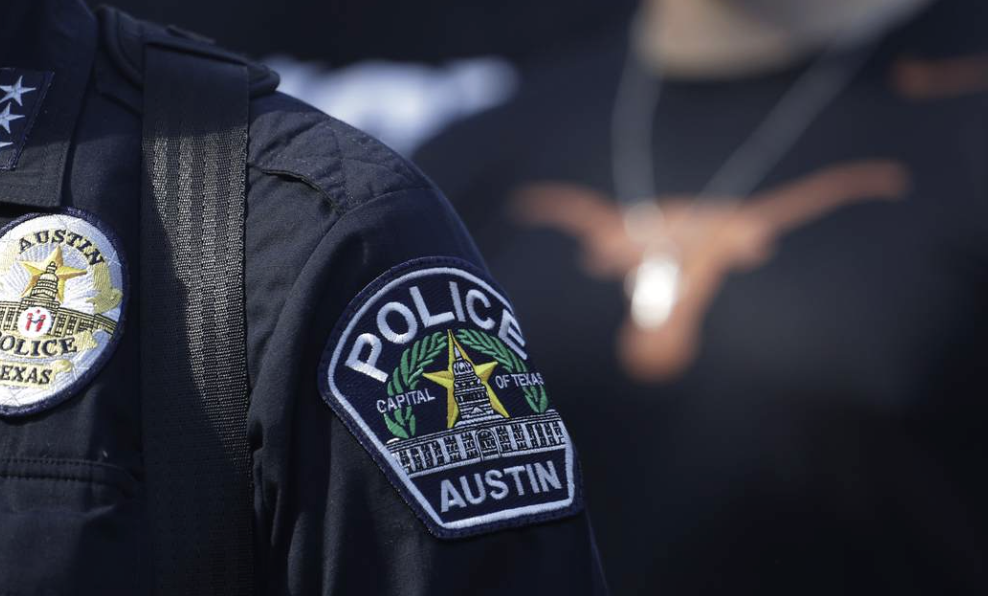
Austin police say three juvenile suspects are now in custody following a chaotic shooting spree that rattled multiple neighborhoods across the Texas capital over the weekend.
As RedState’s Ward Clark first reported Sunday, authorities responded to a string of seemingly random shootings that unfolded across Austin over several hours. Investigators say there were at least a dozen separate incidents involving suspects firing from stolen vehicles while driving through different parts of the city. The attacks struck homes, vehicles, and even two fire stations. Four people were injured during the spree, and officials issued a shelter-in-place warning for portions of South Austin as police searched for those responsible.
By Sunday afternoon, Austin Police Department Chief Lisa Davis confirmed that officers had arrested two juvenile suspects, ages 15 and 17. Later Sunday night, APD announced that a third suspect had also been taken into custody with assistance from the Manor Police Department, which frequently coordinates with Austin authorities on regional investigations.
UPDATE: Third suspect has been taken into custody by Manor PD. https://t.co/eQA6vKu2lg
— Austin Police Department (@Austin_Police) May 18, 2026
Investigators say the 17-year-old suspect was already wanted in connection with the theft of a firearm, while the 15-year-old is suspected of stealing a gun from the same store. Authorities have not yet publicly identified the third suspect or detailed what specific role each allegedly played in the attacks.
What remains unclear is perhaps the most disturbing part of the case: police still do not know the motive.
“At this time, most of the shootings have occurred in South Austin,” Chief Davis said during a Sunday press conference. “No specific motive, and they appear to be random in nature.”
That randomness is exactly what has left residents shaken. Austin has certainly dealt with rising crime concerns in recent years, but a rolling series of drive-by-style shootings involving teenagers firing from stolen cars is a different level of chaos altogether. Officials say the attacks could easily have turned even deadlier.
10 “random” shootings in Austin. Police still are not naming the 2 suspects. pic.twitter.com/MtkYp8JZB2
— End Wokeness (@EndWokeness) May 18, 2026
The incident has also reignited debate over Austin’s decision to discontinue its automated license plate reader program earlier this year. Critics argue the technology could have helped officers identify and stop the suspects much faster.
An Austin-based crime account on X, formerly Twitter, pointed directly to the issue after the arrests, arguing that police lost a valuable investigative tool when city leaders voted not to renew the program in 2025. Supporters of ending the system raised concerns that license plate data could potentially be accessed by federal immigration authorities, including ICE.
Austin police officials had warned against shutting the program down.
During a June 3 work session, APD told city leaders the automated license plate reader system had already helped recover 176 stolen vehicles and identify numerous violent suspects. Assistant Chief Sheldon Askew defended the safeguards surrounding the program, noting that stored data was retained only briefly and that requests were monitored and reviewed under established guidelines.
“We’re more successful when we have technologies such as ALPR to do it,” Askew said at the time.
License plate readers could’ve prevented at least some of the shootings today.
The city council effectively banned them last year and just passed an act that makes them virtually useless. https://t.co/j17iIvLTXO
— Austin Justice (@AustinJustice) May 18, 2026
Now, following a violent weekend that put much of South Austin on edge, critics are revisiting those warnings.
There are still many unanswered questions, including whether the suspects specifically targeted any locations or whether the shootings were truly random acts of violence. Authorities are expected to release additional details as the investigation continues.
Attention is also turning toward Travis County District Attorney José Garza, whose office could ultimately oversee prosecutions connected to the case. Garza, a progressive prosecutor backed by groups linked to George Soros, has frequently faced criticism from law enforcement advocates and conservatives who argue his policies have been overly lenient on criminal offenders.
Whether these suspects face meaningful consequences may soon become part of a much larger political debate already brewing in Austin over crime, policing, and public safety.