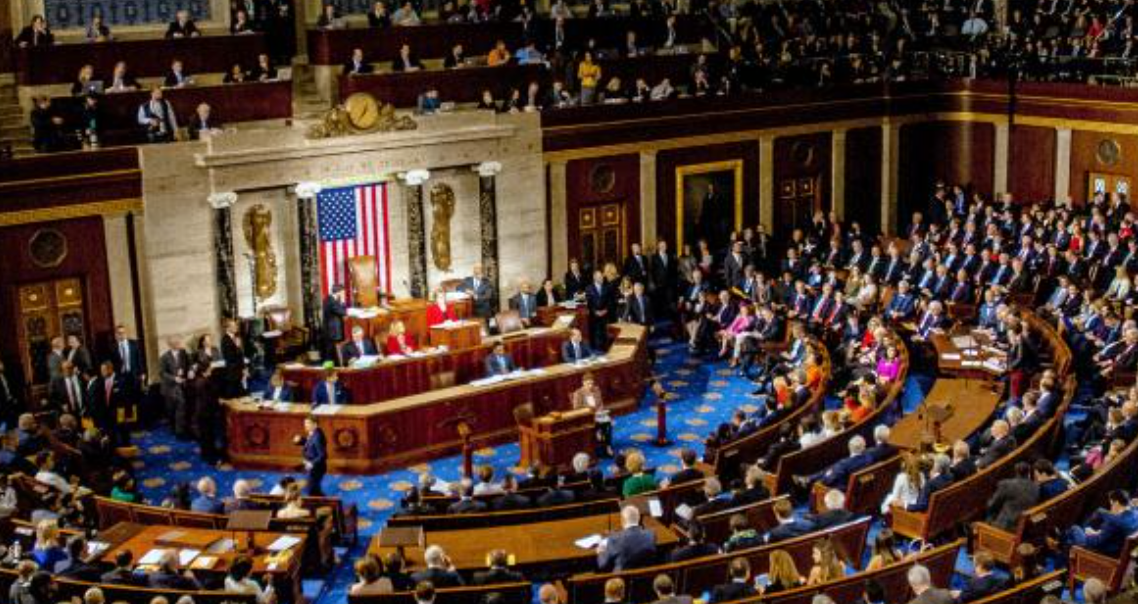
The U.S. Senate passed a major bill to change how college sports work. The vote was 77-22 in favor of new rules for player pay and transfers. This move stops the endless lawsuits and brings order to the game. It also sets a hard limit on how much schools can spend on athletes.
The Senate Takes Action
Senators from both sides of the aisle agreed on the measure. Texas GOP Sen. Ted Cruz and Washington Democrat Sen. Maria Cantwell led the charge. The bill is called the Protect College Sports Act. It aims to fix the mess that started when the Supreme Court tossed key NCAA rules in 2021.
Under the new plan, the cap on direct pay for athletes jumps from about $21 million to $48 million per school. The legislation also sets aside $22.5 million to keep current stars at their schools. Another $5 million goes specifically to support women’s and Olympic sports. This funding protects those programs from being cut.
Rules for Coaches and Players
The bill creates a new rule to stop coaches from jumping ship too fast. It is known as the “Lane Kiffin Rule.” If a head coach or top coordinator leaves for another FBS program, they cannot call plays for the new team in the same season. If they do, they face a one-year suspension. This stops the poaching of talent.
Players also get clearer rules on how many times they can transfer. The bill allows one transfer without penalty. It also standardizes a five-year eligibility policy for all athletes. To stop boosters from dodging the salary cap, all third-party contracts over $600 must go into a public database. This makes sure everyone plays by the same rules.
Sen. Ted Cruz celebrated the win on X shortly after the vote. He said, “College sports were headed off a cliff: endless lawsuits, no rules, and women’s and Olympic sports on the chopping block.” He added, “Tonight, 77 Senators said enough. … Now, it goes to the House. Let’s get this to President Trump’s desk before Election Day, on the set of College Gameday.”
Next Steps for the Bill
The bill now moves to the House of Representatives for a vote. It still needs to pass there before it can become law. The goal is to end the bidding wars and give the NCAA an antitrust exemption. This exemption lets the NCAA enforce eligibility and transfer limits without getting sued. It also limits the rights of coaches to job-hop. As the New York Post noted, the bill addresses “the NCAA’s business model of using unpaid student athletes to generate billions of dollars in revenue for the colleges.”
Justice Brett Kavanaugh previously pointed out this issue with the current system. The new law aims to fix that model while protecting the right of collegians to collect money from their own name, image, and likeness. The Senate has spoken, and the House must now act.