The Tuesday Hearing
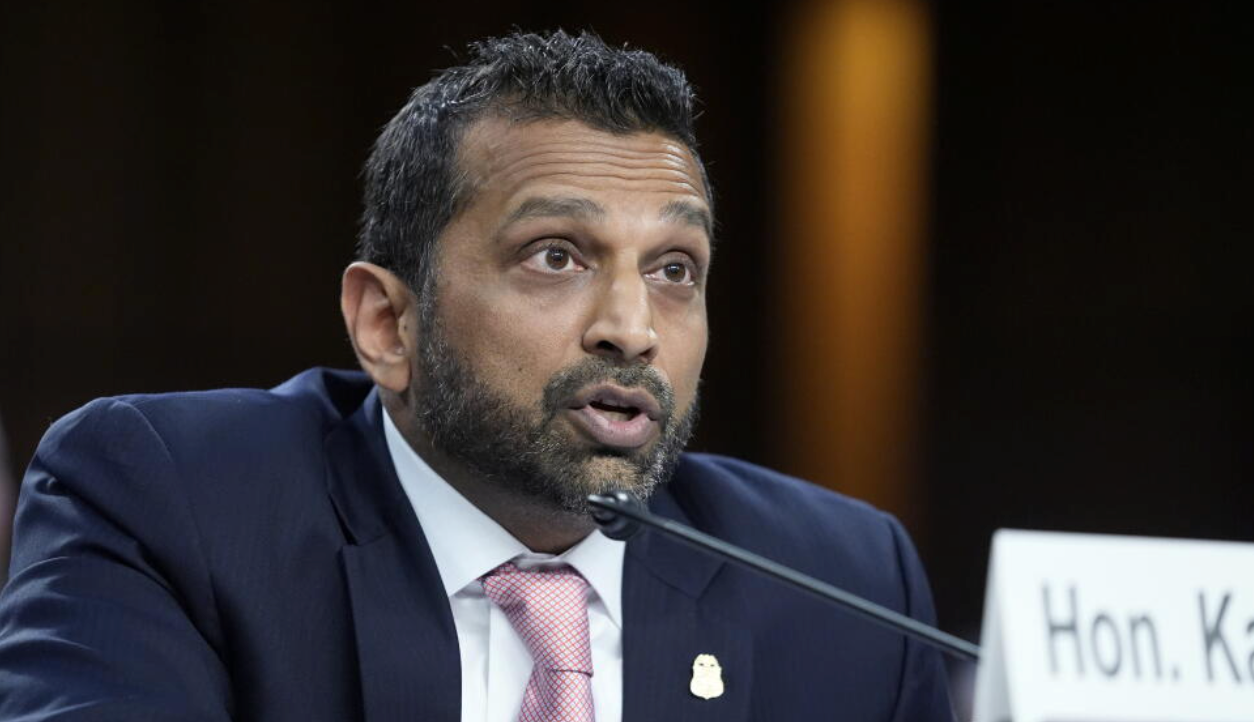
Things got a bit spicy on Capitol Hill. The Senate Judiciary Committee held its annual FBI oversight hearing. FBI Director Kash Patel found himself defending a new policy that does not immediately disqualify hires who have engaged in bestiality. This exchange happened during a routine review, but the topic made it anything but normal.
Senator John Kennedy of Louisiana led the charge against the new rules. He grilled Patel over standards the bureau adopted back in June. A Daily Caller report indicates that updated standards permit applicants with histories of prostitution, employer theft, or animal cruelty to stay eligible. The policy change specifically addresses histories of bestiality. It allows consideration if the conduct occurred before the applicant turned 18.
Senator Dick Durbin also pressed Patel on the rationale. He read from the new standards and asked a direct question. Patel responded by arguing that the term “engaged” implies victimhood in many cases.
The “Victim” Argument
Patel insisted the bureau must not punish those forced into such acts.
He explained that the previous policy had automatic disqualifications. Patel noted the previous regulations automatically disqualified any individual who participated on either side of it. He claimed he eliminated that bureaucracy to help great Americans serve. He added that he removed bureaucratic barriers that stopped these Americans from serving, or at least from being considered, and he will keep doing so.
However, NBC News reported that some senators remained unconvinced. They questioned how someone could be forced into such an act involuntarily. Patel argued that traffickers force people into types of conduct like bestiality in “a lot of cases.” He emphasized, “It’s not an automatic disqualification.”
Sen. Kennedy’s Pushback
Senator Kennedy did not let the explanation slide. He asked why the bureau would even get into bestiality. Patel quickly emphasized that “we’re not into bestiality.” Kennedy replied, “I know you’re not.” The Senator then posed a hypothetical scenario to test the logic of the new rule. He questioned whether someone who participated in bestiality as a human rather than an animal ought to be disqualified.
Patel answered that if it was voluntary, the person should be out. “If he voluntarily did it, sure. But if he was trafficked into it …” he trailed off, implying the victim status mattered. Kennedy pressed further on the concept of involuntary participation. He asked how a person would “involuntarily do it.” Patel claimed human traffickers are the cause in many cases.
The exchange took a sharp turn when Kennedy focused on the phrase “either side.” Patel previously stated the old rules automatically disqualified any individual who participated on either side of it. Kennedy asked, “Either side of what? The bestiality?” When Patel confirmed, Kennedy asked, “So you disqualified the animal?” The room heard the absurdity of the question immediately.
Patel responded with a dry quip, “Well, I don’t think — we have great canines, but we’re not going to disqualify them.” According to RedState, this moment highlighted the confusion over the new standards. The source noted that anonymous sources told CBS the new standards do not distinguish between coerced and willing participants. This lack of distinction remains a point of contention for critics.
The Policy Reality
The hearing ended with the policy still in place. Per reports, the bureau quietly lowered these standards in June. The report claimed the new rules allow applicants with past bestiality histories to stay in consideration. The Daily Caller noted that Patel continues to defend this stance despite bipartisan criticism on the hill.
Senators from both parties questioned the logic. They wanted to know how the FBI defines a victim in these specific cases. The bureau maintains that trafficking is the key factor. Yet, the automatic disqualification for all past participants is gone. The question of who qualifies now rests on the judgment of the hiring officials. The debate over these new hiring standards will likely continue in future hearings.