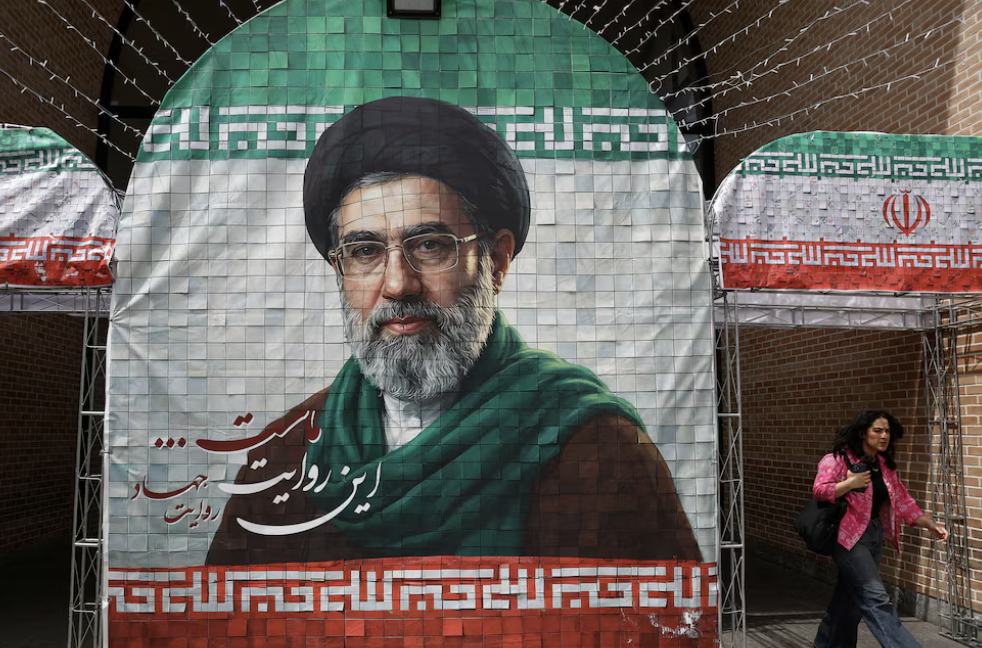
Iran’s Supreme Leader has reportedly ordered that the country’s stockpile of near-weapons-grade uranium remain inside Iran, according to two senior Iranian officials who spoke with Reuters. The decision marks a major hardening of Tehran’s position during ongoing negotiations with the United States and is likely to deepen tensions surrounding efforts to end the U.S.-Israeli conflict with Iran.
The directive, attributed to Ayatollah Mojtaba Khamenei, directly conflicts with one of Washington’s central demands in peace talks. U.S. officials, along with Israeli leadership, have insisted that Iran’s enriched uranium stockpile must be removed from the country as part of any lasting agreement. Israeli Prime Minister Benjamin Netanyahu has repeatedly argued that the war cannot truly end unless Iran’s uranium reserves are transferred abroad, its ballistic missile capabilities are dismantled, and its support for proxy militias ends.
According to the Iranian sources, Tehran’s leadership sees the issue as one of national security and survival. Iranian officials reportedly believe surrendering the enriched uranium would leave the country exposed to future military action by both the United States and Israel. The sources described a growing consensus within Iran’s political establishment that the stockpile is a strategic safeguard rather than a bargaining chip.
The White House and Iran’s Foreign Ministry have not publicly commented on the report.
The developments come amid a fragile ceasefire following months of escalating violence. The conflict began after U.S.-Israeli strikes on Iranian targets on February 28. Iran later responded with attacks on Gulf states hosting American military bases, while fighting intensified between Israel and Hezbollah forces in Lebanon.
Despite the ceasefire, negotiations remain tense and uncertain. A U.S. blockade affecting Iranian ports and Tehran’s continued leverage over the Strait of Hormuz — one of the world’s most important oil shipping routes — have complicated diplomacy. Pakistan has been involved in mediation efforts, but no major breakthrough has emerged.
Iranian officials also appear deeply skeptical of U.S. intentions. The two Reuters sources said many within Tehran’s leadership suspect the current pause in fighting may simply be a tactical move by Washington before another round of military strikes. Iran’s parliamentary speaker and chief peace negotiator, Mohammad Baqer Qalibaf, warned Wednesday that both “obvious and hidden moves by the enemy” suggest the U.S. may be preparing for additional attacks.
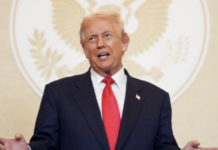
President Donald Trump also raised tensions this week by stating that the United States remains prepared to strike Iran again if negotiations fail. At the same time, he suggested Washington may delay immediate action in hopes of receiving what he called “the right answers” from Tehran.
The dispute over uranium enrichment remains one of the biggest obstacles to any agreement. Iran has long maintained that its nuclear program is for peaceful purposes and has denied seeking nuclear weapons. Before the latest conflict, Tehran had reportedly signaled a willingness to export part of its stockpile of uranium enriched to 60%, which is far beyond civilian energy needs but still below weapons-grade levels.
That position appears to have changed after repeated military threats from the United States and Israel.
Still, Iranian officials hinted that compromise may remain possible. One source said options such as diluting the uranium stockpile under International Atomic Energy Agency supervision are still being discussed as alternative solutions.
The IAEA previously estimated that Iran possessed roughly 440 kilograms of uranium enriched to 60% before Israeli and U.S. strikes targeted Iranian nuclear facilities earlier this year. It remains unclear how much of that material survived the attacks.