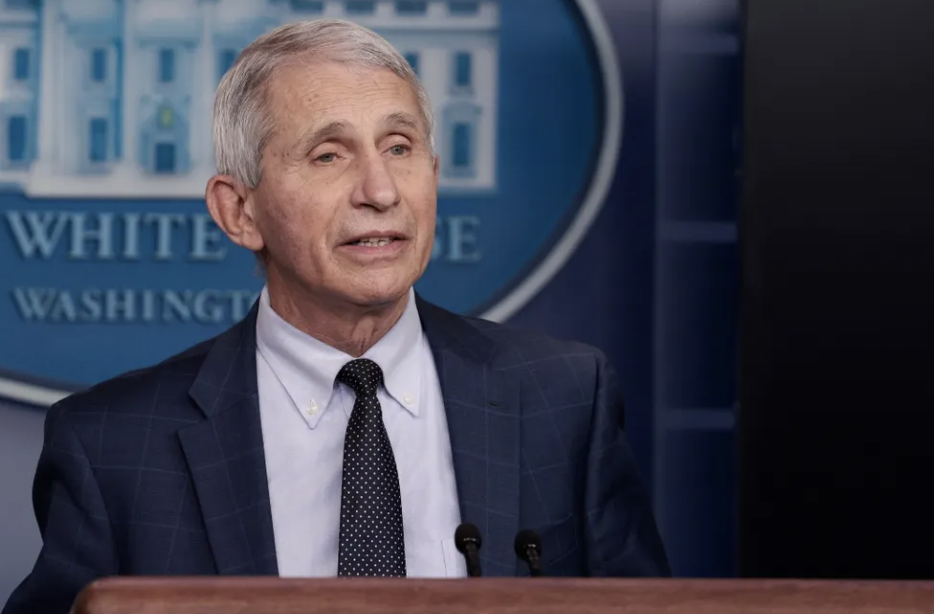
Dr. Anthony Fauci has passed a major legal milestone without being charged over claims that he misled Congress about U.S. funding tied to coronavirus research in Wuhan, China. Still, according to sources familiar with ongoing discussions inside the Trump administration, the former top infectious disease official may not be entirely clear of legal jeopardy.
The five-year statute of limitations expired Monday for one of the most widely discussed accusations against Fauci: that he falsely testified before Congress in May 2021 when he denied funding “gain-of-function” research at the Wuhan Institute of Virology. At the time, Fauci pushed back strongly against suggestions that U.S.-supported research could have played a role in the origins of COVID-19, calling those claims inaccurate. Since then, internal documents and investigations have fueled continued debate over how the research was classified and whether his testimony was fully accurate.
Although no charges were filed before the deadline, people familiar with the matter say federal investigators and political officials are still examining other possible avenues. Those include allegations tied to more recent testimony, possible recordkeeping violations, and broader conspiracy-related theories connected to pandemic-era decision-making.
One Trump administration official described the issue as unfinished business.
“Accountability for pandemic-era misconduct is non-negotiable,” the official said, adding that the administration is exploring “every legal avenue” connected to COVID-era actions by government officials and outside organizations.
The scrutiny intensified after David Morens, a former senior adviser to Fauci, was indicted last month on conspiracy and records-related charges tied to alleged efforts to conceal information about the origins of COVID-19. Prosecutors accuse Morens of deleting records and obstructing transparency efforts during congressional investigations.
Sen. Rand Paul, who repeatedly clashed with Fauci during Senate hearings, has continued pressing for legal action. Paul previously referred Fauci to the Justice Department multiple times and has argued that Fauci knowingly misled lawmakers about NIH-backed research involving modified coronaviruses in Wuhan.
Even with the statute of limitations now expired on the 2021 testimony, Paul says he intends to keep investigating. He announced plans for another hearing involving a whistleblower, saying the public still deserves answers about the government’s handling of the pandemic and its origins.
Complicating any future prosecution is the pardon issued by President Joe Biden shortly before leaving office in January 2025. The pardon reportedly covered potential federal offenses committed during the previous decade. However, some Trump allies have questioned the validity of several Biden pardons signed using an autopen, arguing they may not hold up if it could be shown Biden did not personally authorize them.
So far, the Justice Department has not formally challenged the legality of those pardons in court.
Some conservatives who hoped to see Fauci prosecuted expressed frustration that no charges were filed before the deadline passed. Others inside the administration reportedly see different figures as more central to the controversy, including former NIH Director Dr. Francis Collins and EcoHealth Alliance president Peter Daszak, whose organization helped route federal grant money to Wuhan researchers.
Animal advocacy group White Coat Waste Project also argues there may still be legal exposure for Fauci related to congressional testimony he gave in 2024. The organization claims records obtained through Freedom of Information Act requests contradict Fauci’s statements about using personal email accounts for official NIH business.
Because those statements were made more recently, supporters of further investigation note that the statute of limitations would not expire for several more years.
In addition, legal experts point out that presidential pardons only apply to federal offenses. Any potential state-level investigations would fall outside the scope of Biden’s pardon authority.
For now, Fauci has avoided the most politically explosive charge connected to the Wuhan funding debate. Whether prosecutors pursue anything further remains uncertain, but the political and legal fights surrounding the pandemic’s origins appear far from over.