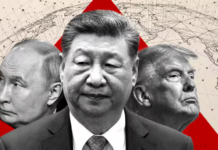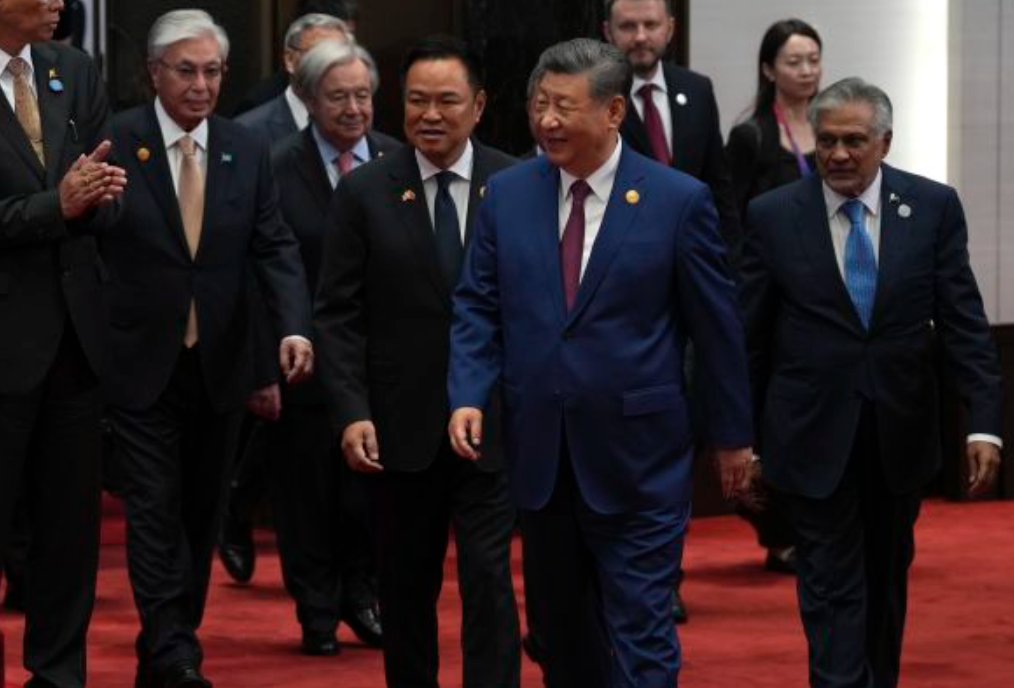
The event took place during the Asia-Pacific Economic Cooperation Summit in Shenzhen, China. Hordern was present for an earlier one-on-one session between Trump and Xi. During that time, she shouted her question to the President. Chinese officials immediately reacted. They told the American press pool that yelling questions was considered “extremely rude.” The warning was clear: any reporter who did so would be removed.
Hordern did not stop. She asked the question again. Fox News states she shouted, “President Trump, has Jensen Huang been disloyal to the United States?” The answer was immediate. Chinese officials barred her from the trilateral meeting on nuclear arms, trade, and wars in Ukraine and Iran. The White House tried to get her admitted. They pushed hard for her inclusion. But Beijing refused to budge.
It was not just her. During the bilateral session, a second reporter began asking a question, Fox News reported. Chinese officials shushed that reporter too. The host country made it clear they would not tolerate this behavior. RedState noted that the American press pool had been warned in advance. The warning said that shouting questions was “extremely rude.” Hordern ignored the warning and paid the price. She was permanently excluded from the three-way session.
The White House Push Failed
Here is the thing that matters to you. The U.S. government fought for her right to be there. A White House official spoke on condition of anonymity about the sensitivity of the issue. Fox News was told by them that Chinese officials demanded Hordern be denied entry to the room. The U.S. advocated for her inclusion. But they could not overcome the refusal from Beijing. The host country held the power. They decided who could see the leaders.
This is a stark contrast to what we usually see. Normally, the White House controls the press pool. They decide who gets access. Here, a foreign power dictated the terms. They set the rules for American journalists. Washington Times reported that journalists said a U.S. reporter was barred because she shouted. The White House pushed to get her back in. They failed. In their view, the question itself was the offense.
Why The Question Mattered
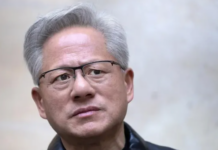
The question was about Jensen Huang. He is the former Nvidia CEO. The question touched a nerve. Artificial intelligence tensions overshadowed the summit. RedState said the question about Huang being “disloyal to the United States” was the trigger. The Chinese officials deemed the act “extremely rude.” They refused to let her back in. The White House could not change their mind. The rules were set by the host.
You might wonder why this matters. It shows how fragile press freedom can be on the global stage. When you travel with the President, you are in a foreign country. They make the rules. The U.S. tried to defend a reporter. They lost. The protocol was strict. The security was unusual. The result was a closed door. The U.S. press could not get in. The question was simple. The answer was a ban.
The clash over press access unfolded right there in Shenzhen. It was a high-stakes meeting. The stakes were global. The rules were local. Fox News noted that the American press pool was warned. The warning was ignored. The consequence was real. Hordern was blocked. The White House pushed. They failed. The door stayed shut.
A Hard Lesson Learned
The facts are simple. A reporter shouted. She was barred. The White House tried. They failed. RedState reported that the trilateral meeting covered nuclear arms and trade. Hordern was not there. She asked about a tech CEO. She was told it was “extremely rude.” That was the end of her access. The U.S. could not override the host.
It is a reminder of the power of the host country. They control the room. They control the access. They decide what is rude. The U.S. tried to intervene. They could not. The protocol was enforced. The question was asked. The ban was total. The White House advocacy ended in failure. The door remained closed. That is the reality of the trip.
The final result is a journalist locked out. The reason was a question about loyalty. The host country said no. The U.S. said yes. The host won. The rules were followed. The consequence was a ban. The White House pushed. The ban stood. The room stayed empty of her. The lesson is clear. In foreign lands, the host makes the rules.