The anti-ICE protests that erupted outside Wyckoff Heights Medical Center in Bushwick on Saturday night reflected a pattern that has become increasingly familiar in New York City: loosely organized activist networks rapidly mobilizing around a wide range of political causes. What began as a response to the presence of Immigration and Customs Enforcement officers at the hospital escalated into hours of confrontation, property damage, and clashes with police.
According to authorities, the demonstration centered around Chidozie Wilson Okeke, a Nigerian national who overstayed a tourist visa after entering the United States in 2023. Federal officials said Okeke had previously been arrested for assault and criminal drug possession, bringing him onto ICE’s radar. During his arrest, DHS alleged that he resisted officers violently and attempted to strike agents with his vehicle before later requesting medical treatment and being transported to Wyckoff Hospital.
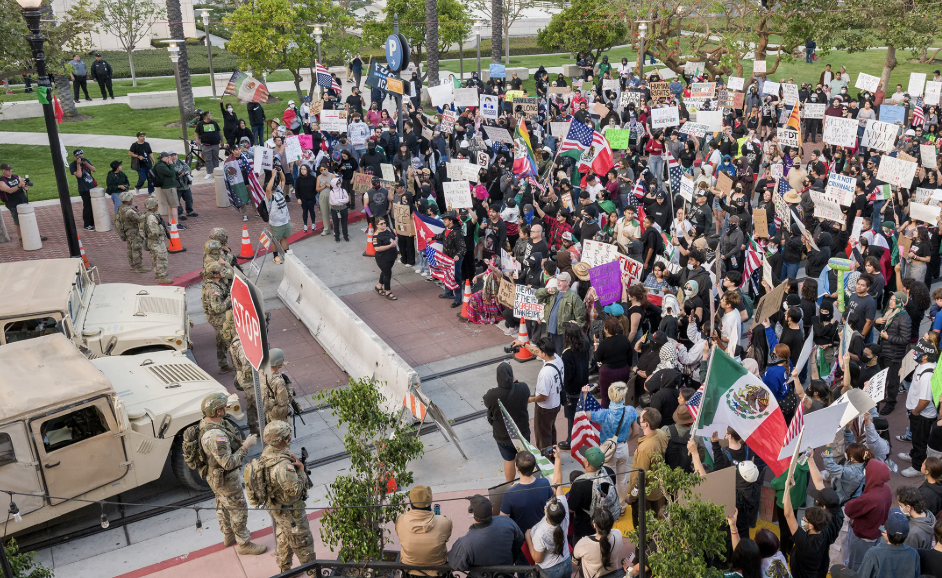
News of ICE’s presence spread quickly through encrypted messaging channels, private group chats, and activist alert networks. Protesters flooded the area outside the hospital late Saturday night, with crowds eventually swelling to roughly 200 people. Demonstrators blocked entrances, obstructed traffic, and reportedly threw garbage cans and debris into the streets. Police later arrested nine individuals during the unrest.
Investigators and immigration policy observers say these rapid-response demonstrations are often organized through decentralized online systems that allow activists to mobilize within minutes. Some organizers allegedly communicate through Discord servers, encrypted apps, and social media pages dedicated to tracking ICE activity in New York City.
Many of the activists identified at Saturday’s protest have also appeared at demonstrations tied to climate activism and pro-Palestinian causes over the past several years. Critics argue that the same small circles of organizers repeatedly move from one issue to another, maintaining activist infrastructure that can quickly pivot depending on the political moment.
One protester arrested Saturday, Jennifer Hansen, had previously been detained at anti-Israel demonstrations and other confrontations with police in Brooklyn. Another activist, Presleigh Hayashida, has participated in climate protests associated with Extinction Rebellion and campaigns targeting companies linked to Israel and border enforcement technologies.
Hayashida’s activism reflects the ideological overlap common among many younger protest groups in New York. After initially focusing on climate demonstrations — including blocking traffic on the FDR Drive during a 2021 protest — she later became involved in campaigns against military drone manufacturers operating in Brooklyn. Activists associated with those efforts organized sit-ins, recurring protests, and pressure campaigns aimed at forcing businesses to relocate.
Some critics contend these activist circles are highly coordinated and politically protected within certain parts of the city government. Council Member Sandy Nurse, a progressive Brooklyn lawmaker who has publicly supported reducing NYPD funding, attended the demonstration and later spoke publicly about the incident. Reports suggested she may have had knowledge of the activist tracking networks monitoring ICE vehicles that night.
Still, not everyone on the political left supported the tactics used outside the hospital. On local Bushwick message boards, some residents criticized protesters for creating panic around a medical facility and spreading inaccurate claims that ICE had raided the hospital or detained patients. Others worried the chaos could discourage undocumented immigrants from seeking medical care out of fear.
Activists later clarified online that ICE had not entered the hospital to conduct immigration raids and that the detained man had already been in federal custody before requesting treatment. Some posters urged fellow activists not to blame hospital workers or circulate false rumors about staff cooperating with immigration authorities.
The incident highlights how immigration enforcement has become another flashpoint in a broader activist ecosystem that increasingly overlaps with climate activism, anti-police movements, and pro-Palestinian organizing. Through social media alert systems and encrypted communication channels, these networks can mobilize large crowds rapidly, often before law enforcement or local officials fully understand what is unfolding.
For supporters, these actions represent community defense against aggressive federal immigration enforcement. For critics, they reflect a growing culture of disruptive protest that prioritizes confrontation and civil unrest over lawful political advocacy. Either way, the events outside Wyckoff Hospital underscored how quickly tensions surrounding immigration enforcement can spill into the streets of New York City.