The New York Times Magazine published a lengthy report this week examining the final days of Jeffrey Epstein, the disgraced financier and convicted sex offender whose 2019 jailhouse death has continued to fuel public suspicion and political debate.
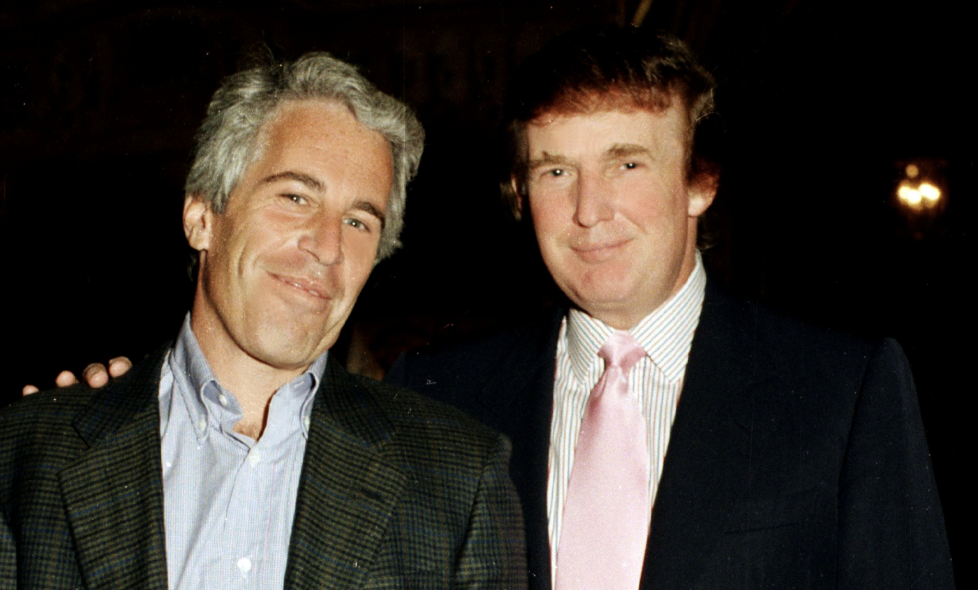
The piece appears to revisit a central question that has followed the Epstein case for years: whether the official conclusion that he died by suicide is convincing. On that point, the report does not fully settle the matter. But it does include details that cut against a claim often pushed by President Donald Trump’s critics — that Epstein and Trump were close allies whose relationship could implicate Trump in Epstein’s crimes.
Trump’s opponents have renewed their focus on Epstein since Trump returned to the White House in 2025. Much of that attention has centered on trying to connect Trump to Epstein’s conduct, despite the fact that Epstein’s political and social circles included many prominent figures from across elite Democratic and media circles.
The Times Magazine report, however, does not support the idea that Epstein was protecting Trump or had damaging inside information about him.
Trump’s name appears only a handful of times in the nearly 150-paragraph article. Two references are simply used to identify other people, including former Trump adviser Steve Bannon and former Attorney General William Barr. The remaining references suggest Epstein was trying to find something useful about Trump to offer prosecutors, but came up with little.
Jeffrey Epstein was obsessed with trying to take down Trump before suicide, report says https://t.co/N8kpqVWlG6 pic.twitter.com/Tyf4MrWbal
— New York Post (@nypost) June 16, 2026
The report says the magazine obtained about a dozen pages of previously unseen handwritten notes from Epstein’s time in jail. Some of those notes showed Epstein “tried and failed” to come up with significant information about Trump that could be used in discussions with prosecutors.
In another section, the article describes Epstein’s attorneys discussing a possible proffer with federal prosecutors. That kind of arrangement could allow a defendant to provide useful information in exchange for possible leniency. According to the report, Epstein was especially focused on what he might be able to say about Trump, who was then in his first term as president.
But the notes cited by the magazine suggest Epstein had little to offer beyond insults and general criticism. He reportedly wrote phrases such as “Trump is a total con artist — smoke & mirrors” and “Never had money,” comments that sound more like personal attacks than evidence of criminal wrongdoing.
That detail matters. A man desperate to reduce his own legal exposure would have had every incentive to provide prosecutors with something valuable if he had it. The fact that Epstein was apparently trying to “dredge up” information on Trump, yet could not produce anything substantial, undercuts the idea that the two men were partners in Epstein’s crimes.
Trump and Epstein moved in some of the same wealthy social circles in Palm Beach decades ago. Their relationship later soured, reportedly sometime before Epstein’s 2008 conviction for soliciting prostitution involving a minor. Trump has said he was not friends with Epstein after that period, and conservative outlets have long pointed to their falling out as part of the record.
Report: Epstein tried to offer prosecutors dirt on Trump for a deal, but he didn’t actually have anything on Trumphttps://t.co/2Tw8TuJlwl
— Not the Bee (@Not_the_Bee) June 17, 2026
The Times Magazine report does not appear designed to defend Trump. The paper has been one of his most consistent critics. Still, the facts included in the article work against one of the left’s preferred narratives about Epstein and Trump.
The report is less definitive on the circumstances of Epstein’s death.
It notes that Epstein was alone in his jail cell despite guidance that he should not have been. Guards failed to make required rounds for hours. The jail’s security-camera system partially failed. The video that was recorded reportedly showed an orange blur moving toward Epstein’s corridor shortly before his death. Evidence from the cell was not carefully cataloged, and some photographs and objects from the scene appeared difficult to square with parts of the autopsy report. Two pathologists also disagreed about the meaning of injuries to Epstein’s neck.
The article ultimately leans toward the view that Epstein’s death resulted from a combination of institutional failure, negligence and opportunity, rather than an elaborate murder plot. But it also acknowledges why many people remain unconvinced. The Epstein case contains enough gaps, errors and unanswered questions to keep suspicion alive.
In its closing section, the report admits the evidence leaves room for competing interpretations. The autopsy photos, like much else in the case, raised more possibilities than conclusions.
That may be true about Epstein’s death. But on Trump, the report is far clearer than its authors may have intended. Epstein was not trying to shield Trump. He was trying to use him, and apparently had nothing meaningful to offer.