The Supreme Court on Thursday declined to step in on behalf of a self-described progressive candidate who tried to run in Ohio’s Republican primary, effectively ending his effort to appear on the ballot.
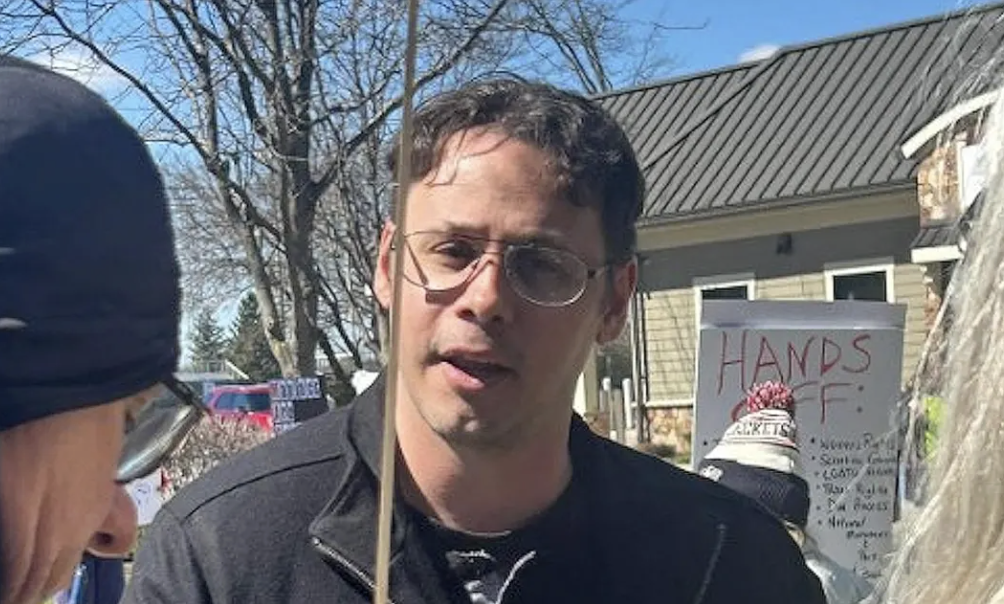
Samuel Ronan, who has previously run as a Democrat, attempted to challenge Republican Rep. Mike Carey in Ohio’s 15th Congressional District. As part of the filing process, Ronan signed a declaration stating he was a member of the Republican Party, a requirement for appearing in the GOP primary. That declaration is made under penalty of election falsification.
The issue quickly turned into a legal fight after evidence surfaced suggesting Ronan’s candidacy was not what it appeared to be. According to court filings, he had publicly described his campaign as part of a broader strategy to run progressive candidates in heavily Republican districts by having them enter GOP primaries. The idea, he suggested, was to gain access to races where Democrats typically have little chance of winning.
A Republican voter challenged Ronan’s candidacy, bringing forward social media posts and interviews in which Ronan discussed the approach. The protest was taken up by the Franklin County Board of Elections, which ultimately deadlocked along party lines. That left the final decision to Ohio Secretary of State Frank LaRose, who removed Ronan from the ballot.
LaRose framed the move as a matter of maintaining trust in elections, arguing that candidates cannot falsely claim party affiliation simply to gain access to a primary. His decision set off a series of legal challenges from Ronan, who argued that his removal violated his First Amendment rights.
Ronan’s case centered on the claim that the state had used his own political speech against him. He pointed to other politicians who have changed party affiliation over time, arguing that such shifts are not unusual. But the court did not see it that way.
Chief U.S. District Judge Sarah D. Morrison rejected his argument, drawing a clear line between changing parties and misrepresenting affiliation under oath. In her ruling, she said the Constitution does not protect a candidate who submits a false declaration simply because political speech is involved. Ohio law allows candidates to switch parties, she noted, but it does not require election officials to ignore statements that directly contradict a sworn filing.
The court also dismissed claims that the process was biased, finding no evidence that political affiliation among election officials amounted to unconstitutional prejudice.
After losing in lower court, Ronan made a last-minute appeal to the Supreme Court, asking for emergency intervention before early voting began. Justice Brett Kavanaugh referred the request to the full court, which denied it without comment.
With that decision, the earlier rulings stand, and Ronan will not appear on the Republican primary ballot. The case underscores how election rules around party affiliation are enforced and where courts draw the line between political strategy and misrepresentation.