The Day the World Changed
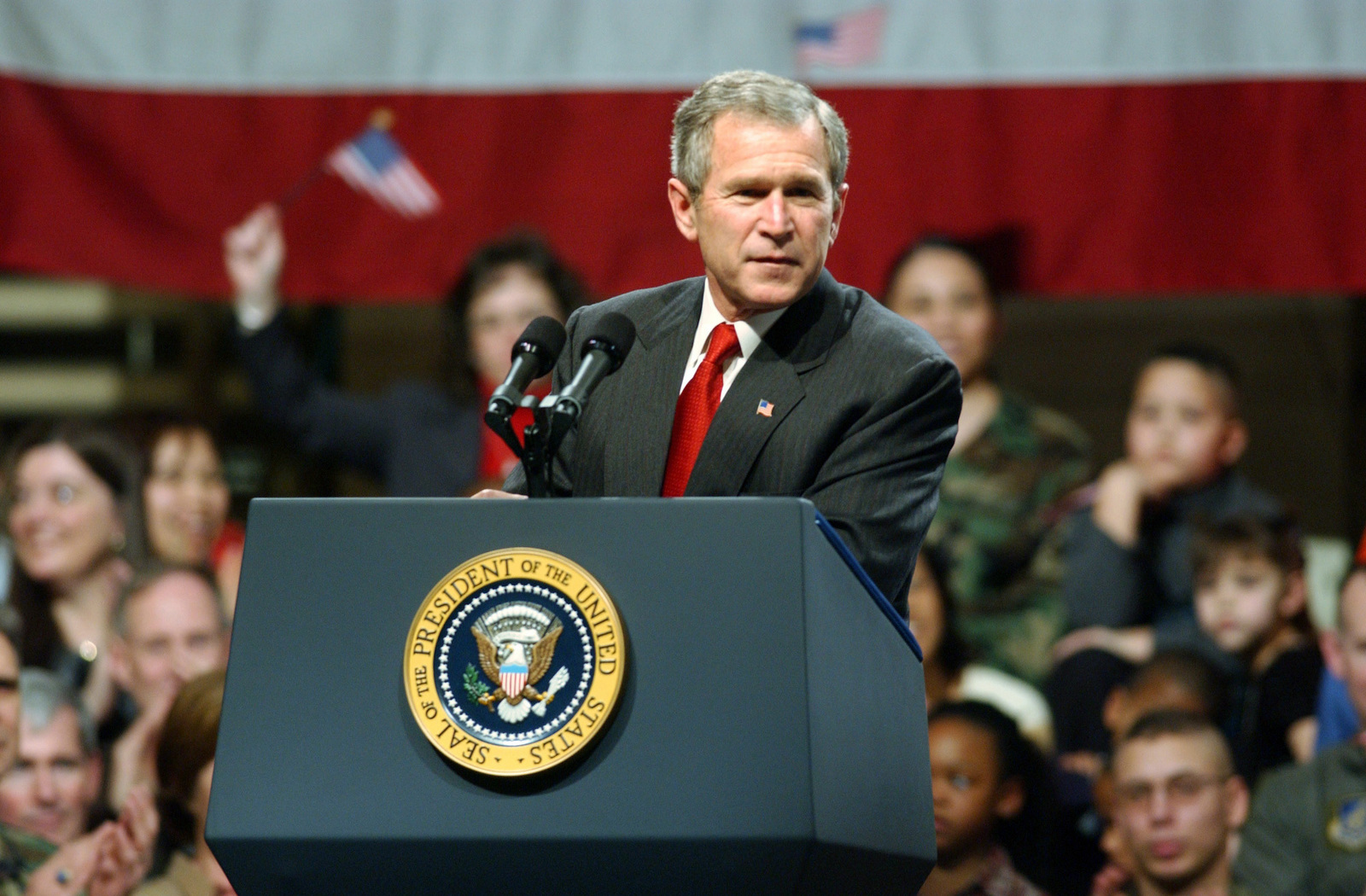
The worst terrorist attack in U.S. history was an unexpected test for a new administration. It happened just nine months after President George W. Bush took office. He had run on domestic issues, not foreign wars. The plans for his presidency were thrown into total disarray. The Sept. 11 attacks forced him to change course immediately.
As rescue efforts continued in the rubble, Bush stood with New York City firefighter Bob Beckwith. A burnt fire truck was where they stood before the World Trade Center, according to the Washington Examiner. This moment happened on Sept. 13, 2001. The country rallied around its leader. In late September 2001, his approval rating skyrocketed to 90%.
From Approval to Controversy
American troops entered Afghanistan by October of that year. They went to hunt down al Qaida terrorist cells. Bush then escalated the Global War on Terror. He accused Saddam Hussein’s Iraq of having weapons of mass destruction. To the world he stated, “we don’t want the smoking gun to be a mushroom cloud”
The Iraq War became one of the most controversial parts of his presidency. However, the U.S. invasion raised his approval rating from 57% to 71% in March 2003. The subsequent years were hard. An escalating insurgency and increased troop deployments led to more casualties. The Great Recession also hit. By November 2008, his approval rating crumbled to only 28%.
Life After the White House
After President Barack Obama took office, Bush recused himself from the political stage. His public disagreement concerned Obama’s 2011 choice to withdraw troops from Iraq. Bush called that move a “strategic blunder.” But he also set a clear boundary. Speaking to late-night host Jay Leno, he said, “I don’t think it’s good for the country to have a former president criticize his successor”
Bush campaigned for his brother Jeb Bush in 2016. He later refused to endorse President Donald Trump’s campaign. He did not endorse any candidates in 2020. Instead, he held a virtual fundraiser for Sens. Susan Collins and Thom Tillis. He condemned the Jan. 6, 2021, Capitol riot. He also spoke out against the attempted assassination of Trump in 2024.
He found a new hobby after leaving the presidency. He started painting, inspired by reading Winston Churchill’s essay “Painting as a Pastime.” Vice President Dick Cheney remains a well-known figure from that time. Others have faded into relative obscurity. Even 25 years later, the decisions made on that day still reverberate.
The story of that day is one of leadership under fire. The numbers show how public support rose and fell. The words show how a former president handled his successor. The facts remain clear for those who remember.